When you think about the evolution of running shoes, there’s always been a shift between minimalism and cushioning, between stripping things down to their bare bones and building them up to offer maximum comfort. Hoka found a way to stand out by rewriting this balance entirely. The brand’s story isn’t just about sneakers; it’s about challenging how we think about movement and endurance.
Hoka was born in the French Alps, created by two trail-running enthusiasts who wanted to go further, faster, and with less strain on their bodies. The terrain they loved—steep climbs, rocky descents, unpredictable weather—demanded something more than the standard running shoe. That’s how the now-iconic oversized midsole came to life. Instead of focusing on stripping away material to shave grams, Hoka leaned into cushioning, and surprisingly, it worked. It didn’t just make running easier; it made it more enjoyable.
This philosophy became the foundation of the brand’s culture: bold ideas that break from the norm. When Hoka launched, the industry was leaning toward minimalist shoes, but they refused to follow the trend. Their maximalist approach was mocked at first—some runners even called them “clown shoes.” Yet, those same exaggerated soles became the very reason people started to swear by them. It was proof that innovation often starts by daring to be different.
As the years passed, Hoka’s reputation spread beyond alpine trails. Road runners, ultramarathoners, and eventually everyday walkers realized that the same principles that worked in extreme conditions could transform the way they moved in daily life. That adaptability is part of Hoka’s DNA: whether you’re chasing a personal record in a marathon or just trying to keep your knees happy on morning walks, the shoes seem to meet you where you are.
There’s also something about the way the brand positions itself in culture. Hoka isn’t flashy in the sense of logos or aggressive marketing campaigns. Instead, it relies on a kind of quiet confidence: let the shoes prove themselves on the road, on the track, and on the mountain. You notice Hoka wearers because of the way they talk about them, not because of the way they’re advertised. That organic growth—runner to runner, hiker to hiker—feels true to the brand’s spirit of community.
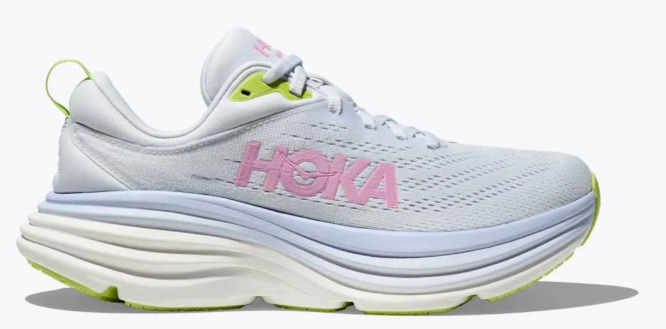
Personally, I started noticing Hoka more during group runs. There was always at least one person in the pack who swore their long distances became more bearable after switching. They’d finish a 15K and still look fresh, while the rest of us were stretching out sore calves. Eventually, curiosity got the better of me, and I tried a pair myself. That first run was less about speed and more about how light my legs felt after. The cushioning wasn’t a gimmick; it was a shift in how running could feel.
Beyond performance, Hoka also reflects a sense of inclusivity. The brand doesn’t just speak to elite athletes; it resonates with anyone who wants to move better, whether that’s on rugged trails or around the block. That’s why you’ll see Hoka shoes not only at ultramarathons but also at coffee shops, airports, and city streets. They’ve become part of a lifestyle where function meets comfort without losing design appeal.
Looking at their history, you can see how much thought has gone into making the brand adaptable. From trail-focused origins to road-ready innovations, Hoka has carved out a reputation for versatility. And now, as more people seek both performance and comfort in their everyday wear, the timing feels perfect.
For those curious about exploring this part of running culture, you can take a look at hoka canada to see how the brand has evolved and what it offers today. The variety reflects not just their innovation, but also their belief that movement should be accessible, enjoyable, and supportive across different stages of life.
Hoka’s journey, from being an outlier to becoming a trusted companion for so many, shows how sticking to a vision can redefine an entire category. It’s not just about shoes—it’s about creating space for people to move differently and rediscover the joy in motion.